






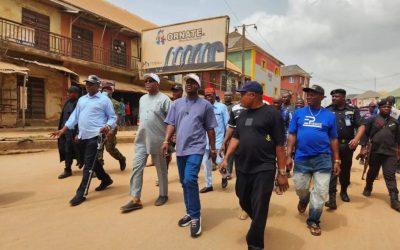


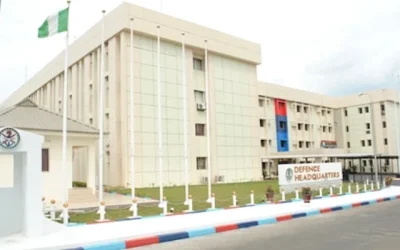



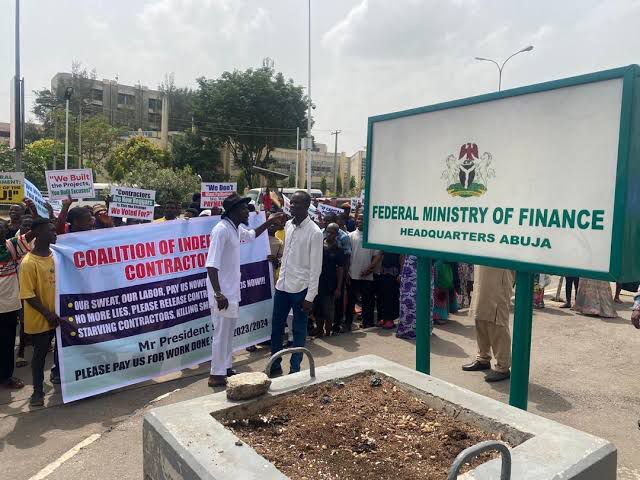
Desperate indigenous contractors brought central Abuja to a standstill on Wednesday as they barricaded the entrance to Nigeria’s Finance Ministry headquarters, demanding settlement of approximately N4 trillion owed for completed infrastructure projects.
The dramatic demonstration, organised by the All Indigenous Contractors Association of Nigeria, saw hundreds of frustrated business owners camping outside the ministry gates, effectively shutting down operations and preventing even the Finance Minister’s motorcade from accessing the building.
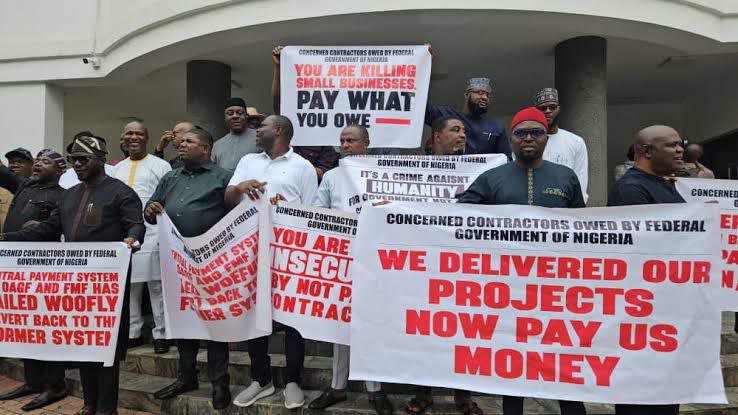
At the heart of their grievance lies a mountain of unpaid bills for capital projects delivered throughout 2024, leaving thousands of small and medium-scale contractors in financial ruin.
Babatunde Seun, the association’s secretary, painted a picture of broken promises and bureaucratic indifference during the heated protest. He revealed how repeated meetings with top government officials, including Accountant-General Shamseldeen Ogunjimi and Finance Minister Wale Edun, had yielded nothing but empty assurances.
“They looked us in the eye and promised payment within 48 hours after our last meeting,” Seun told journalists, his voice heavy with frustration. “That was over a week ago, and we’re still waiting. Out of our 5,000 members, only five have seen a penny.”
The contractors’ plight extends far beyond mere business concerns, touching the very fabric of their personal lives. Many described sleepless nights worrying about mounting debts, children’s school fees, and basic family healthcare – all casualties of the government’s failure to honour its financial commitments.
“We trusted them because we believed elderly leaders don’t lie,” Seun said bitterly. “But we’ve been thoroughly deceived. Some of our members can’t afford their children’s school fees, others are drowning in debt they took on to complete these projects.”
The demonstration brought with it a stark ultimatum: no payment, no access to the ministry. Protesters wielded placards criticising the National Assembly’s apparent inaction, with one reading: “National Assembly is folding their arms watching Nigerian contractors suffer injustice over 2024 capital projects.”
What makes the situation particularly galling for the contractors is that many of the projects in question have been completed, inspected, and officially handed over with completion certificates. Yet payment remains elusive.
“Every single job we’re claiming for has been finished and certified,” Seun emphasised. “We’re not asking for payment on incomplete work – these are delivered projects that the government is already benefiting from.”
The association’s leader made it clear that the blockade would continue indefinitely, threatening to maintain their presence “until December if necessary” unless every outstanding payment is settled.
As government workers found themselves locked out of their offices and ministerial operations ground to a halt, the protest highlighted the growing tension between Nigeria’s political class and the business community that keeps the country’s infrastructure development moving.