







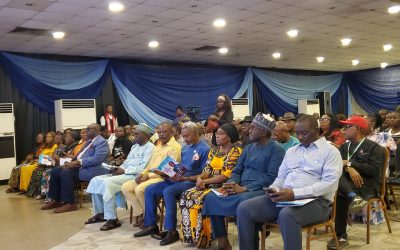

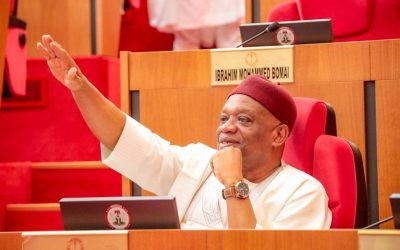

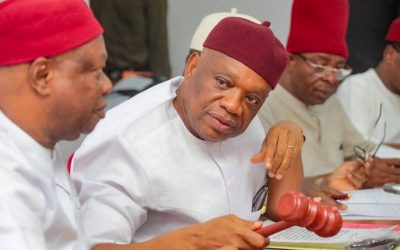
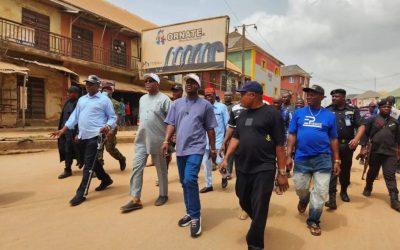








The political landscape in Rivers State has taken yet another dramatic turn, with the recent local government elections reshaping power at the grassroots level and further exposing the cracks within the state’s political hierarchy.
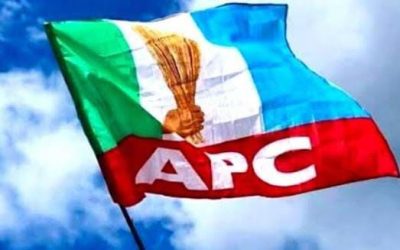
On Sunday, the Rivers State Independent Electoral Commission (RSIEC) announced results from the 30 August polls, declaring the All Progressives Congress (APC) winners in 20 of the 23 local government areas. The ruling Peoples Democratic Party (PDP) managed to secure only three councils, including Obio/Akpor—the stronghold of Federal Capital Territory Minister, Nyesom Wike.
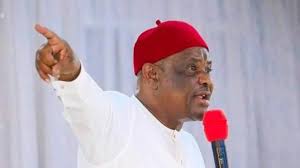
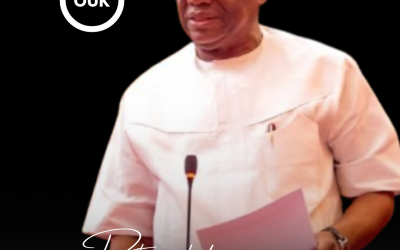
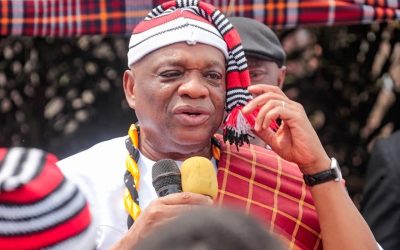
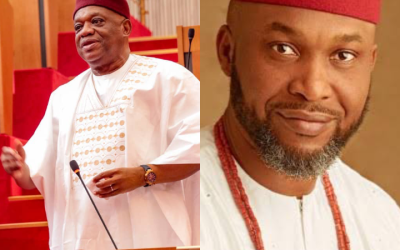
This outcome has been widely interpreted as a significant show of force by Wike, who appears to have reasserted control over the state’s political machinery at the expense of his estranged protégé, Governor Siminalayi Fubara. For months, the pair have been locked in a bruising battle for supremacy, a feud that has left the state legislature divided and even prompted a federal state of emergency last year.
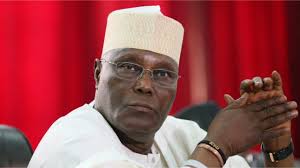
Former Vice President Atiku Abubakar, however, was quick to reject the election as nothing short of a farce. In a strongly worded post on X, he described the process as “a travesty to the very notion of elective democracy” and accused President Bola Tinubu’s administration of engineering the outcome to favour the ruling APC. Atiku urged opposition parties in the state to disown the results, insisting the exercise lacked legal and moral legitimacy.
The people of Rivers are victims of political brigandage by a cabal desperate to snatch away their democratic rights,
he declared, appealing to Nigerians and the international community to take note of what he called a dangerous descent in the country’s democratic culture.
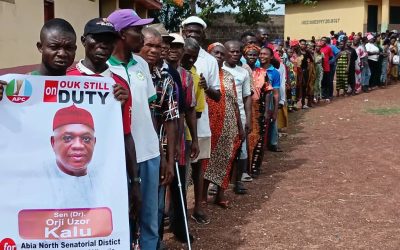
The elections themselves were not without controversy. Critics pointed to widespread voter apathy, raising doubts about the credibility of the results compared to the turnout witnessed on polling day. RSIEC chairman, Dr Michael Odey, nevertheless praised the process as peaceful and transparent, lauding the role of security agencies, civil society, and the electorate. In keeping with a template introduced by Wike during his governorship, all elected chairmen are men, with women selected as their deputies.
For many observers, the polls are as much about the fierce rivalry between Wike and Fubara as they are about governance at the grassroots. Since assuming office, Governor Fubara has gradually tried to carve out his own political identity, resisting Wike’s heavy influence on appointments. Their falling-out has triggered violent clashes, resignations, and deep divisions within the state assembly.
Although Wike’s allies have celebrated the APC’s sweeping victories, elders within the state argue his renewed dominance may prove fleeting. High Chief Sunnie Chukumele, convener of the Coalition of Rivers State Leaders of Thought, dismissed the election as “an aberration,” citing a Supreme Court ruling that previously invalidated RSIEC’s conduct of polls. “This will not stand. It is temporary at best, and Rivers people do not support the charade,” he said.
With emergency rule in Rivers set to expire in mid-September, and with national attention fixed on the state’s fragile stability, the question remains whether this election has genuinely consolidated Wike’s influence—or simply set the stage for another round of political upheaval.

[3402]ArenaPlus Official Login | Legit Online Slots at GCash Casino PH,Sa arenaplus, madaling mag-download ng app at mag-cash in gamit ang GCash. Tuklasin ang mga legit na slots at matutong maglaro ng baccarat. Mag-sign up na ngayon! visit: arenaplus