

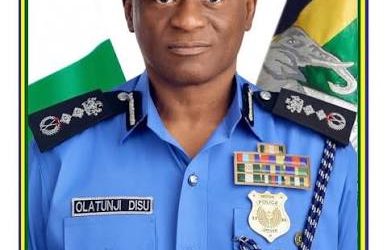










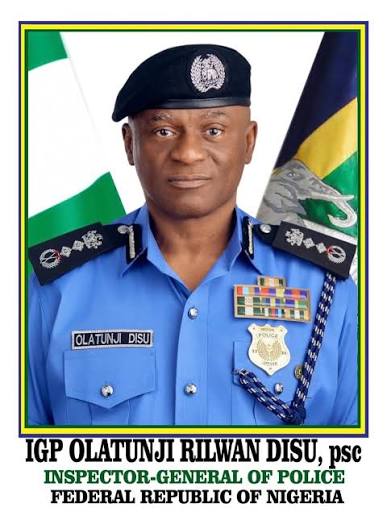
The Inspector-General of Police (IGP), Olatunji Disu, has banned police officers from creating or making money from content posted on social media platforms like TikTok, Facebook, Instagram and YouTube if they identify themselves as members of the Nigeria Police Force. Officers who break this rule face dismissal, demotion, loss of salary and possible prosecution.
The order was issued in an internal police circular dated Monday, 22nd June, as reported by SaharaReporters. The directive was issued to all police formations and commands nationwide.
The circular signed by the Principal Staff Officer to the IGP, says the growing trend of police officers creating social media content is worrying and could damage the force’s image and how well it operates.
The ban covers all types of content including videos, photographs, skits and live streams. Officers cannot post this content while wearing police uniforms or from police buildings without written approval from the IGP or someone authorised to approve it.
The order also stops officers from running personal or anonymous social media accounts for entertainment, promoting brands, or business activities that use their status as police officers. Officers are also not allowed to publicly comment on police investigations, discipline matters, transfers or other official business.
The IGP has also forbidden officers from accepting sponsorships, deals with brands or money from content that uses their identity as police officers.
“The Nigeria Police Force is a disciplined institution whose effectiveness depends on public trust, institutional integrity, and the professional conduct of every officer,” the circular stated.
Mr Disu warned that officers who violate this policy will be immediately stopped from work, lose their salary during the investigation process, be demoted, fired from the force and face prosecution under laws against crime and cybercrime where necessary.
Commissioners of police, area commanders, divisional police officers, and other senior leaders could face punishment if they do not watch over and discipline officers under them who break the policy.
State commissioners of police were ordered to share this directive with all their staff within seven days. They must also submit reports showing they have followed the order within 14 days to the Deputy Inspector-General of Police in charge of Operations.
This new order comes just a few weeks after Mr Disu warned content creators and the public against recording and sharing police videos without permission.
During a meeting with crime reporters in Abuja on May 31, 2026, the police chief said that recording and posting police work online without proper explanation could hurt security efforts and make officers lose morale.
“We urge members of the public and social media users to refrain from recycling old or manipulated videos capable of creating panic or undermining national security efforts,” he said at the time.
A similar policy was made by former Inspector-General of Police Mohammed Adamu on 17tb June, 2020.
Under that 2020 order, police officers could not use pictures of themselves in uniforms on their personal social media accounts. They also could not post or discuss things related to politics, religion or anything that could make the police force look bad.
The 2020 policy also stopped most officers from saying they work as police officers on social media. Only official police spokespersons and senior officers approved to speak for the force were allowed to do this.
The new directive shows that police leadership is working harder to control how officers use the internet at a time when social media is becoming more important in how the public talks and how police activities are watched.