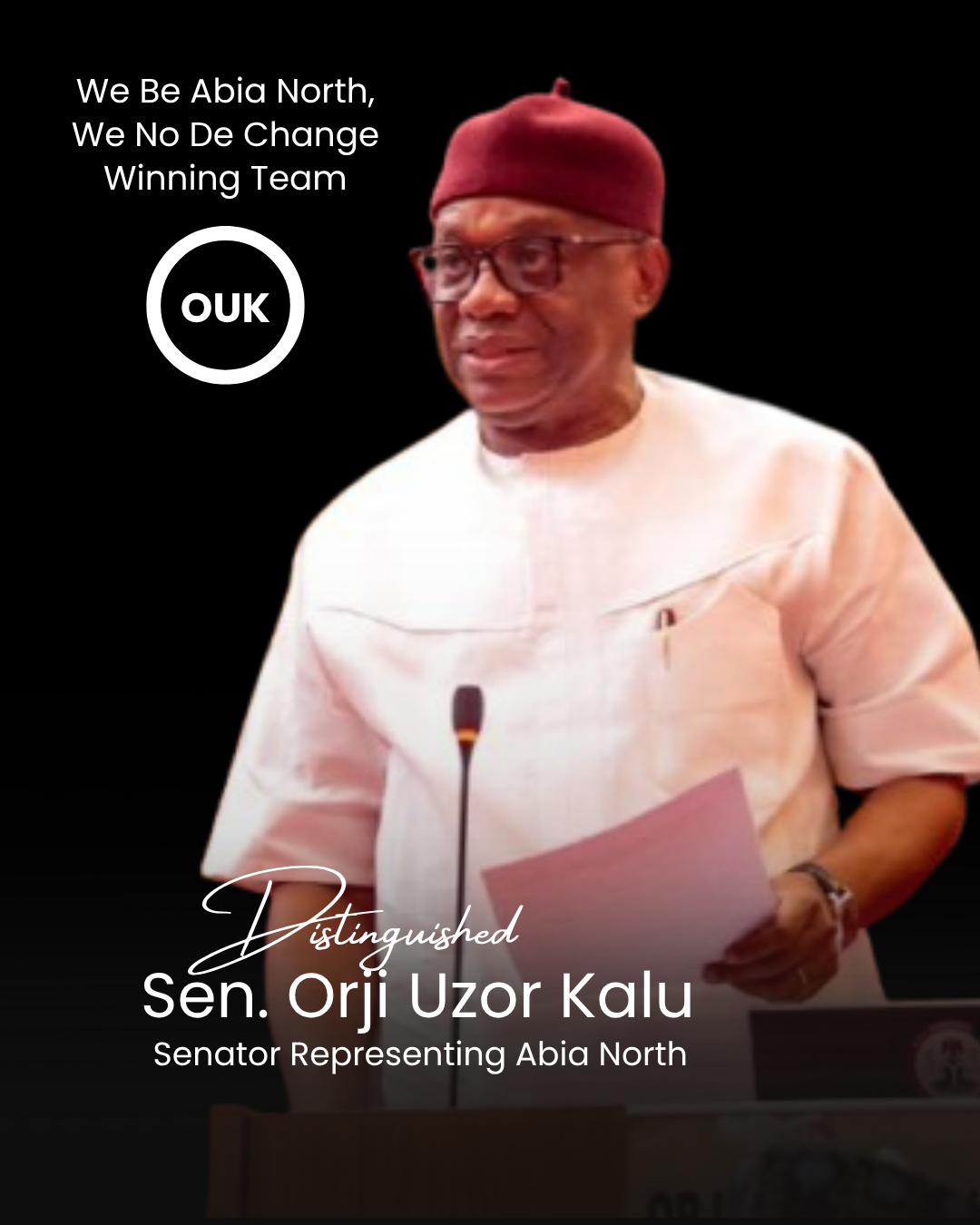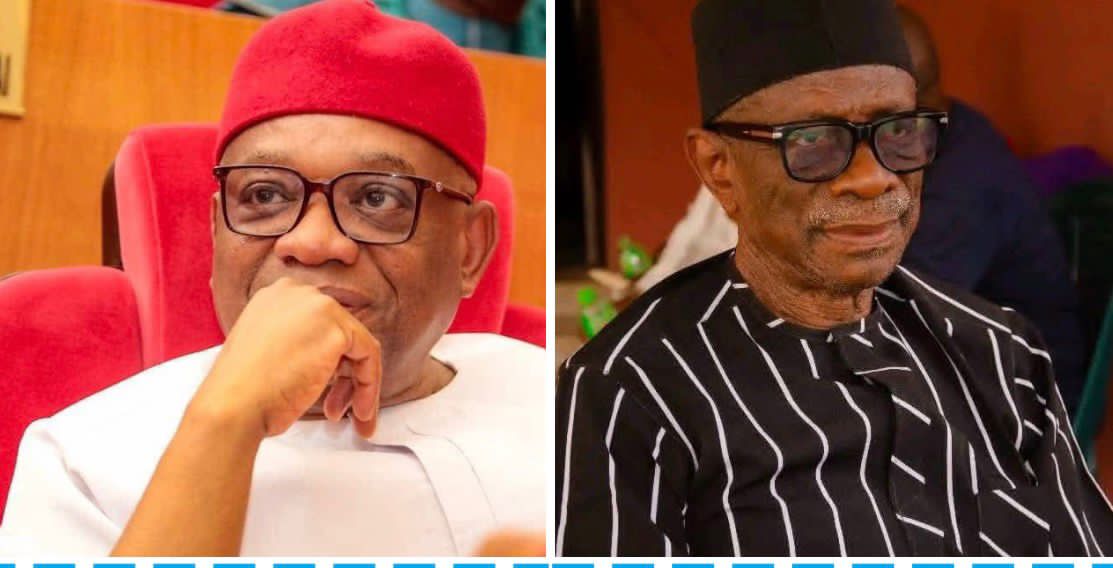
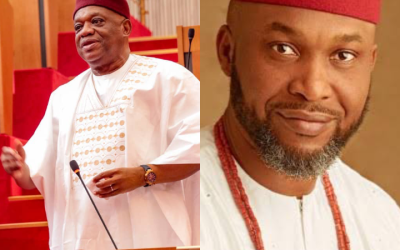
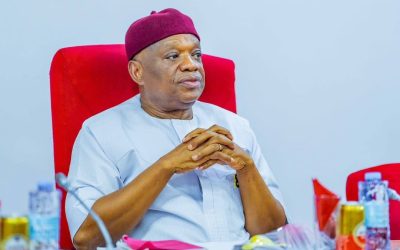

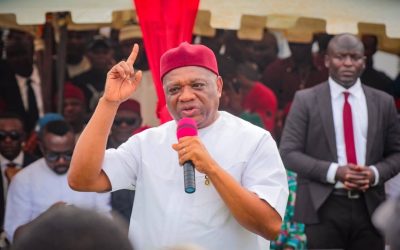
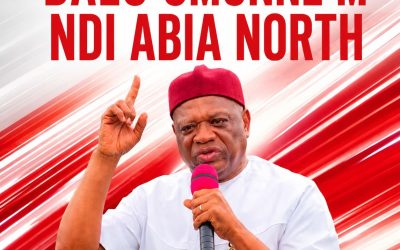
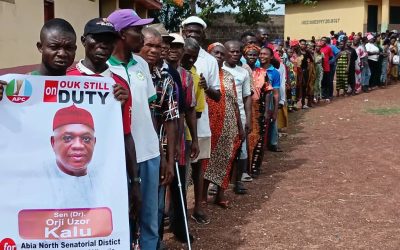



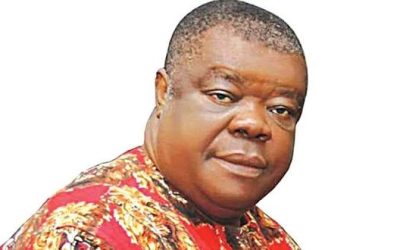

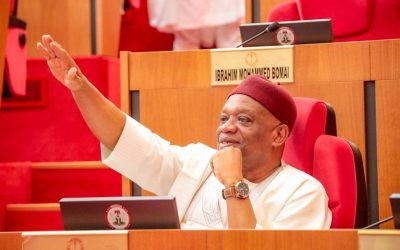

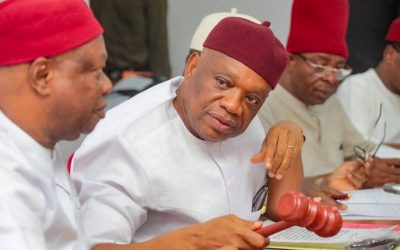
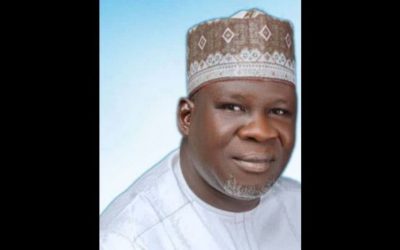



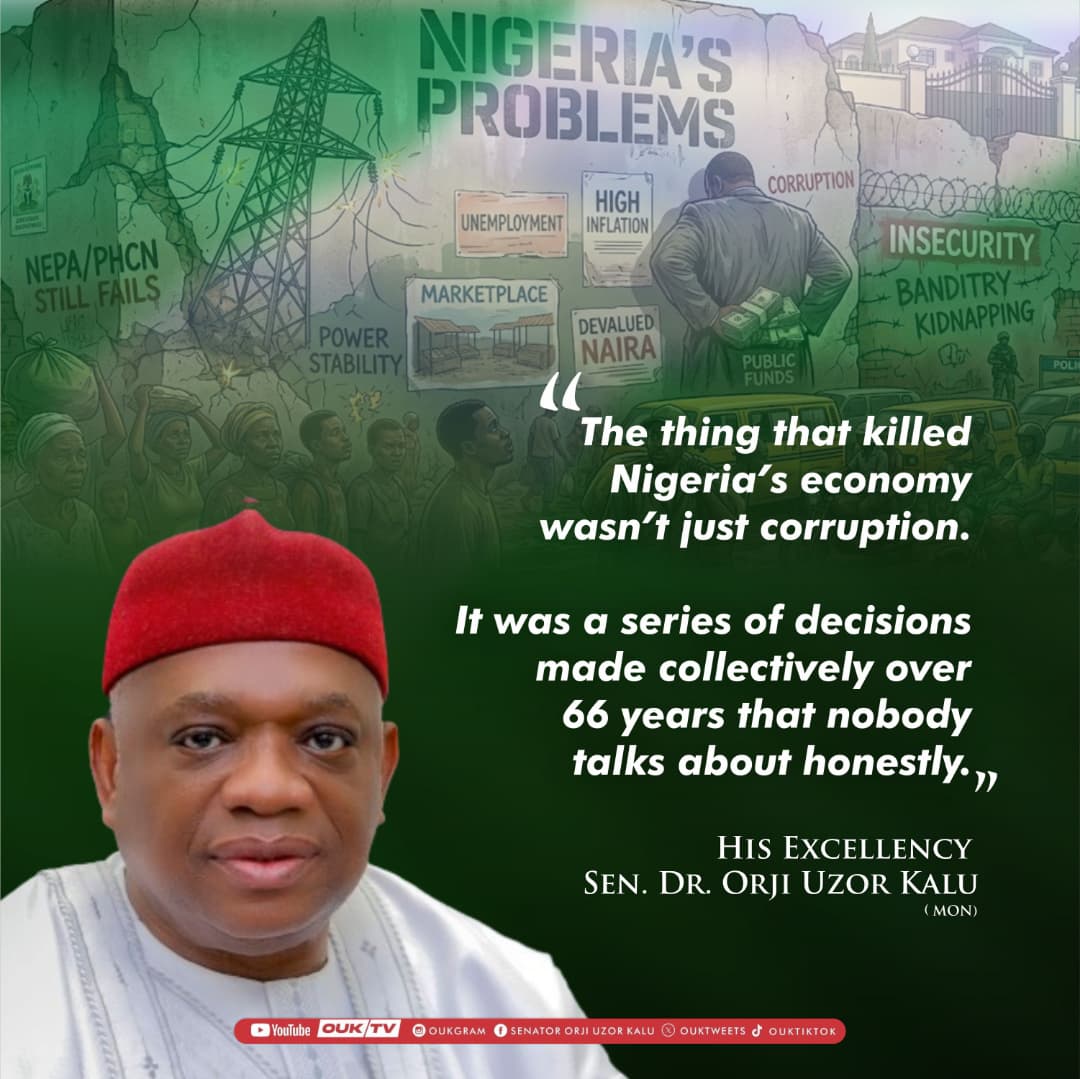
The distinguished Senator representing Abia North Senatorial District, and former Governor of Abia State, Sen. Dr. Orji Uzor Kalu, MON, has argued that corruption alone cannot be blamed for Nigeria’s economic challenges, insisting that the country’s current realities are the product of decades of poor decisions, policy inconsistencies, and missed opportunities.
Kalu stated that while corruption has undoubtedly contributed to economic decline, it represents only one aspect of a much broader problem that has evolved over more than six decades.
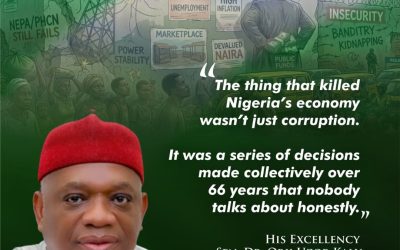
“The thing that killed Nigeria’s economy wasn’t just corruption. It was a series of decisions made collectively over 66 years that nobody talks about honestly,” he said.
According to the former governor, Nigeria’s overdependence on oil revenues at the expense of critical sectors such as agriculture, manufacturing, technology, and industrial production significantly weakened the country’s economic foundation.
“For decades, corruption has been identified as the primary reason for Nigeria’s economic struggles. While corruption has undoubtedly played a damaging role, it is only one part of a much larger story,” Kalu noted.
He noted that rather than building a diversified economy capable of withstanding global economic shocks, the country relied excessively on a single source of income, exposing its vulnerabilities whenever oil prices declined.
Kalu further argued that responsibility for Nigeria’s economic situation cuts across governments, institutions, political leaders, and citizens.
“Poor investment in education, inadequate infrastructure, inconsistent economic policies, weak support for local industries, excessive import dependence, and a culture of consumption over production have all played significant roles,” he said.
The senator also called attention to issues often overlooked in public discourse, including policy inconsistency, poor maintenance culture, and the tendency to place ethnic and political considerations above competence and national interest.
“We rarely discuss how policy inconsistency discourages investors, how poor maintenance culture drains public resources, or how ethnic and political divisions sometimes take precedence over competence and national interest,” he added.
The foremost senator maintained that Nigeria’s economic difficulties were not caused by a single administration or generation but are the cumulative result of decisions taken over many years.
“The truth is that economies are built or broken by the decisions made consistently over time. Nigeria’s current situation is not the result of one administration, one generation, or one mistake. It is the outcome of countless decisions made across many decades, some of which were driven by personal interests rather than national priorities,” he stated.
While acknowledging the enormity of the challenges, Kalu expressed optimism about the country’s future, stressing that meaningful economic transformation remains possible through honest conversations, accountability, strategic planning, and policies that promote productivity, innovation, and sustainable growth.
“Nigeria remains a nation blessed with immense human and natural resources. The same collective power that contributed to past mistakes can also be used to create a better future,” he said.
He urged Nigerians to embrace honest reflection on the country’s economic journey, noting that understanding the mistakes of the past is essential for making better decisions in the future.
“The first step toward meaningful progress is having honest conversations about the decisions that brought us here and the actions needed to move the country forward,” Kalu concluded.