










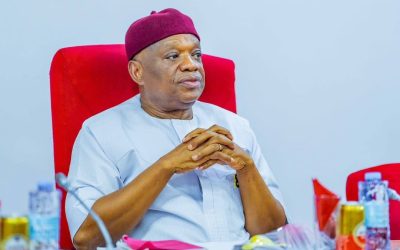



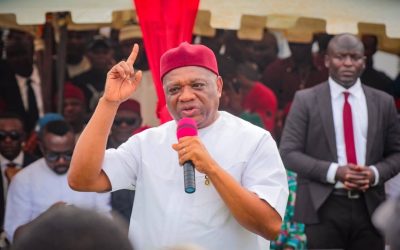














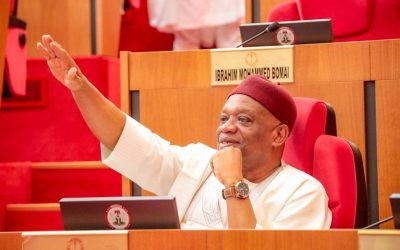

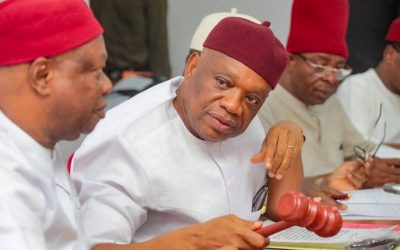










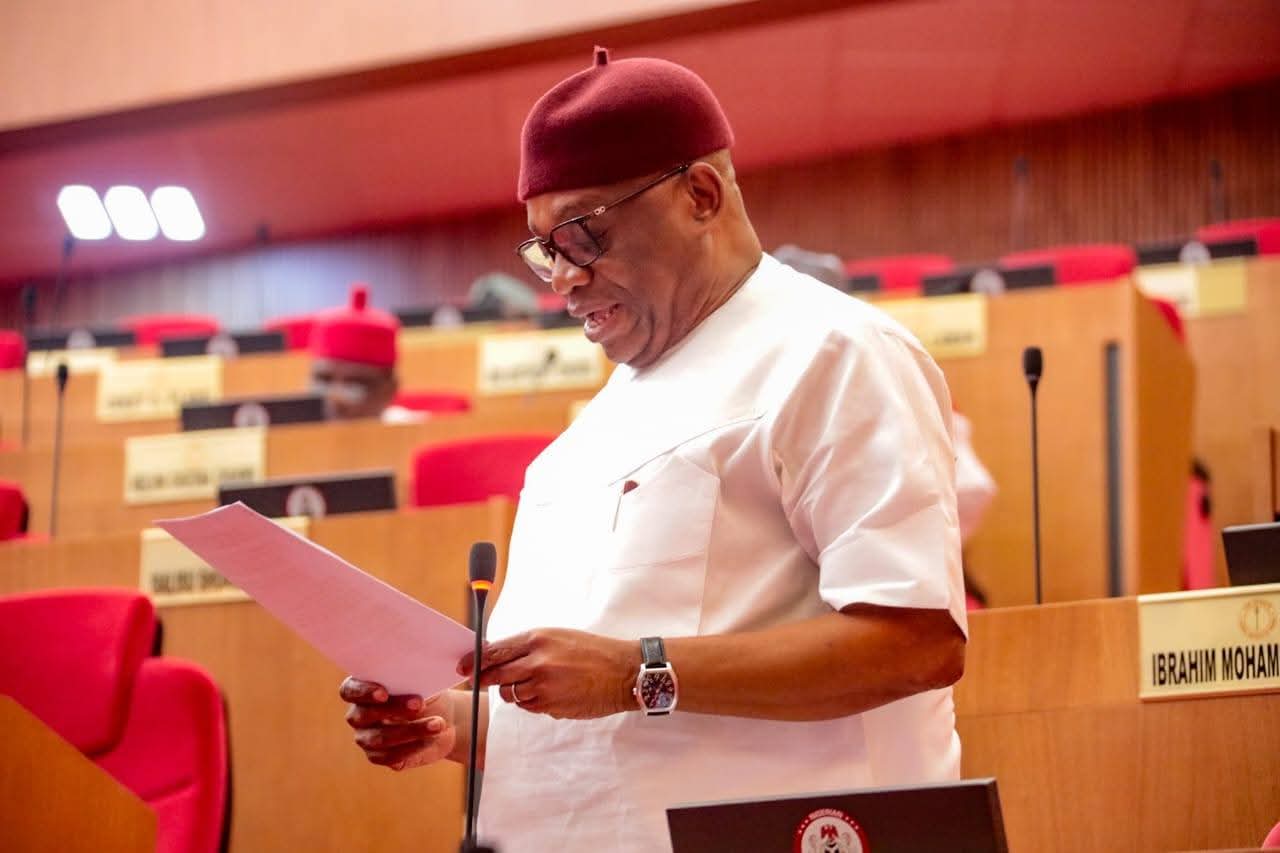
The Senate on Tuesday passed for second reading, the Electric Vehicle Transition and Green Mobility Bill, 2025, sponsored by Senator Orji Uzor Kalu, representing Abia North Senatorial District.
Senator Kalu announced the development on his official Facebook page, describing the electric vehicle transition bill as a comprehensive national framework designed to move Nigeria towards clean energy transportation and position the country as a continental leader in the sector.
“Our goal is simple: to move Nigeria away from dependence on fossil fuels toward a cleaner, more sustainable energy system that creates jobs and stimulates industrial growth,” Senator Kalu stated.
The electric vehicle transition legislation provides substantial incentives to encourage adoption, including tax holidays, import duty waivers, and toll and road tax exemptions for electric vehicle users and investors. PrimeTell gathered that the bill also mandates the installation of charging points in all fuel stations nationwide, addressing one of the primary infrastructure concerns about electric vehicle adoption in Nigeria.
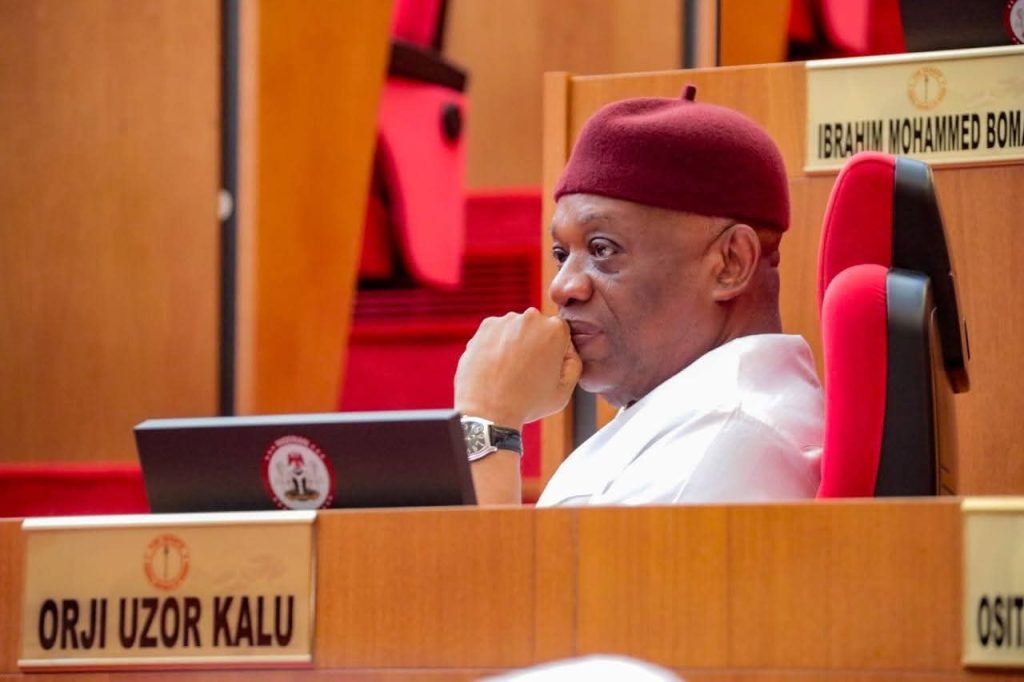
One of the most significant provisions of the electric vehicle transition bill is its strong local content requirement. The legislation compels foreign automakers to partner with licensed Nigerian assemblers and establish local manufacturing plants within three years of commencing operations. Senator Kalu revealed that by 2030, at least 30% of vehicle components must be sourced locally, with non-compliance attracting serious sanctions, including fines and suspension of operations.
“We are creating a system that protects Nigerian industries, promotes technology transfer, and ensures innovation happens here at home,” Kalu maintains, emphasising the nationalist approach embedded in the electric vehicle transition framework.
The bill establishes a coordinated regulatory structure involving the Ministries of Industry, Transportation, Power, Environment, and the Federal Inland Revenue Service to ensure effective implementation of the electric vehicle transition. This multi-agency approach recognises that the shift to green mobility requires coordination across various sectors of government.
Senator Kalu stated that the initiative will help diversify Nigeria’s economy, reduce carbon emissions, and make the country the hub of electric vehicle manufacturing in Africa. “This initiative will help diversify our economy, reduce carbon emissions, and make Nigeria the hub of electric vehicle manufacturing in Africa,” he wrote.
The electric vehicle transition bill enjoyed bipartisan support during Tuesday’s plenary session. Senator Kalu expressed gratitude to his colleagues and commended Senate President Godswill Akpabio for his leadership, stating: “I am grateful to my distinguished colleagues for their bipartisan support and commend Senate President, Godswill Akpabio, for his leadership. Together, we are building a cleaner, smarter, and more prosperous future for our nation,”
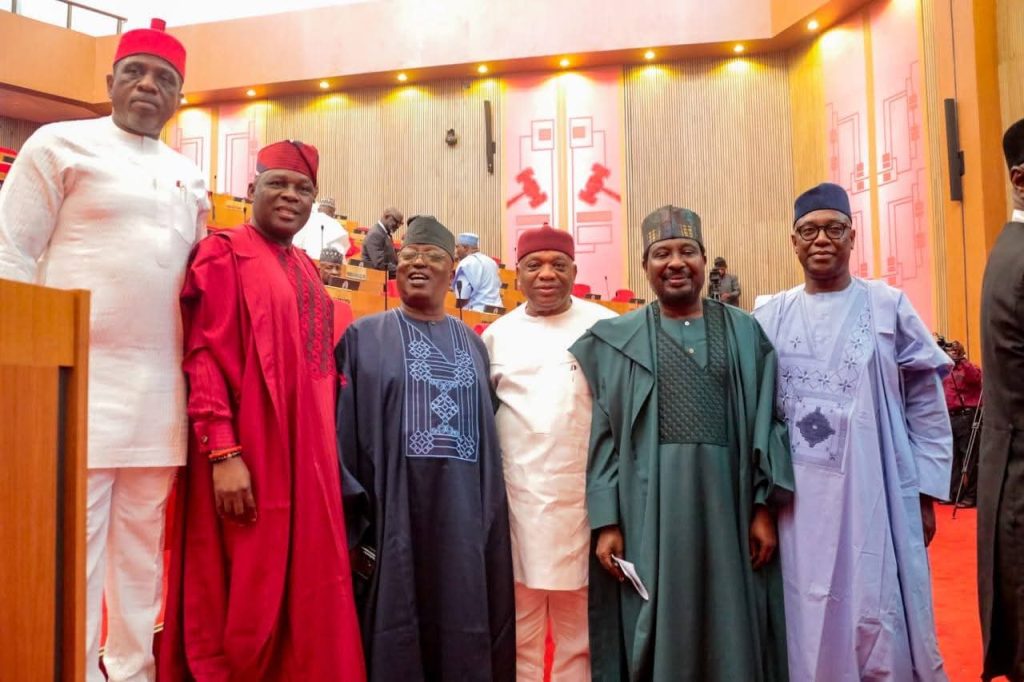
Having passed second reading, the electric vehicle transition bill will now proceed to the committee stage for detailed scrutiny before returning to the floor for third reading. If successfully passed into law, the legislation could mark a transformative moment in Nigeria’s industrial and environmental history, positioning the country at the forefront of Africa’s shift towards sustainable transportation.
The Electric Vehicle Transition and Green Mobility Bill adds to Senator Kalu’s growing legislative portfolio, which includes the recently introduced Social Welfare Service of Nigeria bill designed to fight extreme poverty.


One thought on “Senate Passes Senator Kalu’s Electric Vehicle Transition Bill for Second Reading”